Three Weeks In and the Signal Was There. What a Probation Period Is Actually Deciding
A dispatcher hire at a 14-person service company shows what the first ninety days are supposed to settle, and how to read the evidence early enough to act on it.
| Author | Corinne Adeyemi |
|---|---|
| Section | Enterprise |
| Published | |
| Length | 1,184 words · 5 min |
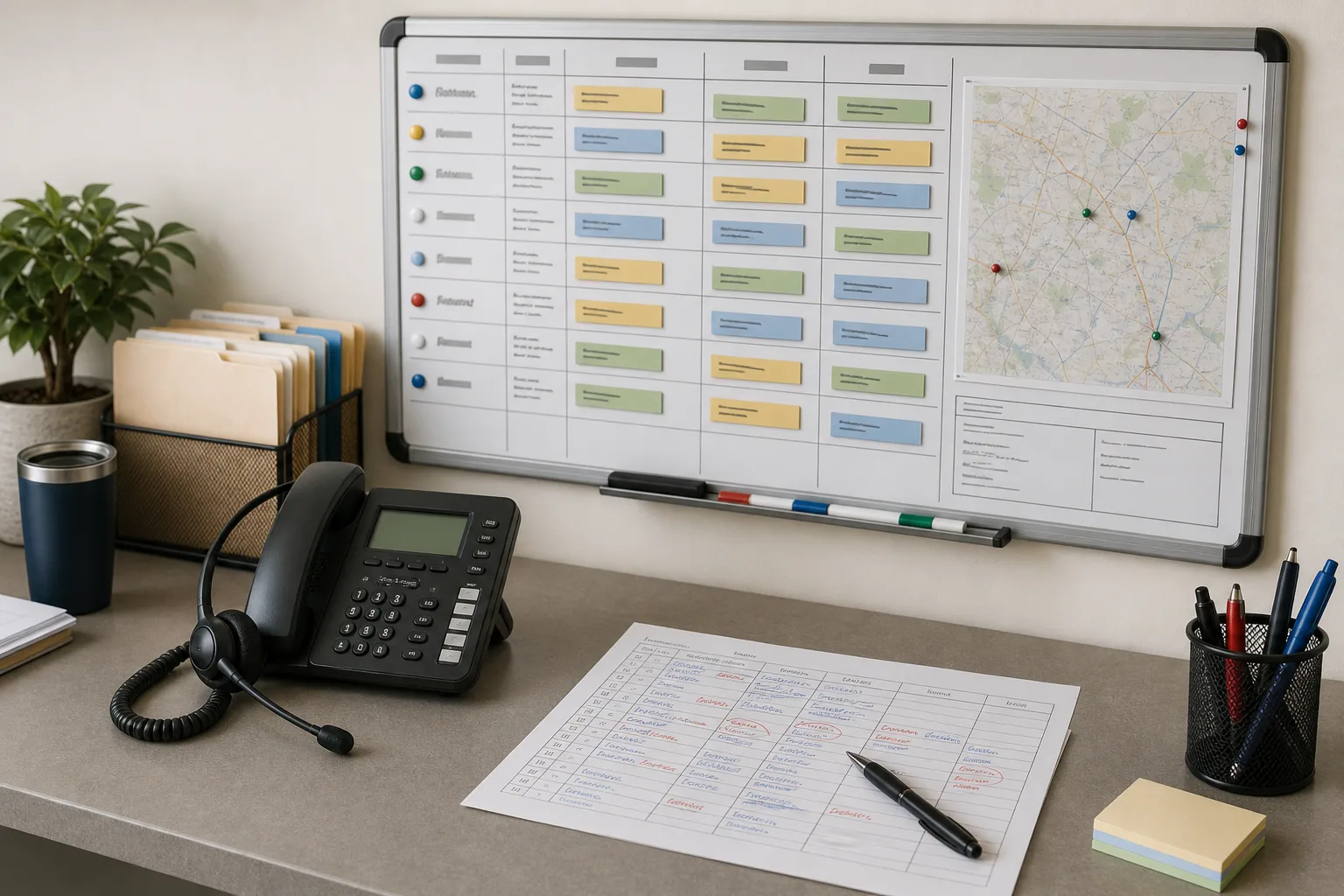
A fourteen-person plumbing and HVAC company in the Midwest hired a service dispatcher in March. The owner, who had made maybe forty hires over twenty-two years, set a ninety-day probation period in the offer letter because that is what the offer letter had always said. By day twenty-one he knew the hire was not going to work. He kept her until day eighty-four anyway, and the extra nine weeks cost him a senior technician who quit over the chaos. When he walked through it afterward, the useful finding was not that he had hired badly. It was that he had treated the probation period as a grace period for the new person instead of a decision window for himself, and nothing in the way he ran those ninety days was designed to produce an answer.
That distinction is the whole subject. A probation period is not a probationary status for the employee in any legal sense worth leaning on. In an at-will state, which is nearly all of them, you could end the relationship on day four hundred for the same reasons you could end it on day four. What the period actually gives you is a structured span in which you have license to look closely, the new hire expects to be looked at closely, and both of you have agreed in advance that a conversation about fit is normal rather than hostile. Spend the window and you get a decision. Let it run on autopilot and you get a date on a calendar that passes.
What the week-three evidence actually was
Ask the owner what went wrong and the first answer was vague: she was not picking it up. Pushed for specifics, he produced four concrete items, all of which had occurred inside the first twenty-one days.
She had routed a no-heat call to a technician who was ninety minutes away when a closer truck was free, and when asked about it said she had gone down the list in order. Twice she had taken a customer complaint and forwarded the voicemail to the owner without listening to it first. She had not asked a single question about how the company priced after-hours work, in three weeks, despite dispatching after-hours work. And when a technician radioed that a job had grown from a two-hour repair to a half-day replacement, she had not called the next three customers to move them.
Every one of those is the same finding stated four ways. She was processing requests in the order they arrived and was not building a picture of the day. That is not a training gap you close with more shadowing. It is a judgment pattern, and dispatch is almost entirely judgment. The owner had the evidence by day twenty-one. What he did not have was any structure that required him to write it down, compare it against what he had said the job was, and name it.
Decide what the probation is measuring before the first day
The fix that worked for him afterward takes about forty minutes and happens before the hire starts. Write down three to five things the person must be doing unprompted by the end of the period. Not tasks. Behaviors that only appear when someone has understood the work.
For the dispatcher the list he eventually wrote was: reroutes a truck without being asked when the board changes; calls the customer before the customer calls us; knows what each technician is good at and assigns accordingly; asks about price when the scope changes. Four items. Every one of them observable by a person standing in the room. None of them requires a rating scale.
Then set the checkpoints. Day ten, day thirty, day sixty, and a decision at day eighty. Not day ninety. If the period ends at ninety you want the decision made with room to deliver it properly, process a final paycheck on the schedule your state requires, and start the replacement search before the seat is cold. Put the checkpoints in the calendar the week the person accepts, because nobody schedules a day-thirty review on day twenty-nine.
The conversation at day ten and day thirty
These are short and they are specific. Twenty minutes, sitting down, with your four items on the table. You are not delivering a verdict. You are testing whether what you are seeing is a learning curve or a ceiling, and the way to test that is to name the behavior once and watch what happens over the next two weeks.
At day ten the owner would now say something close to: when the board changed Tuesday and the Ferris job grew, I needed you to call the next three stops and move them. You waited for me to ask. Going forward that call is yours to make without checking. Then say nothing more about it and watch.
A person who is going to be good at the job does that unprompted within a week, and usually does something adjacent you did not ask for. A person who is not will do that exact thing when the exact situation repeats and will not generalize. That is the single most reliable read available in a probation period, and it is available by day thirty if you set it up. Judgment transfers. Instructions do not.
Paperwork, pay, and the part to hand to someone else
Most of this you run yourself. You are the one in the room, you know what the job requires, and nobody can outsource the observation. Three pieces are worth getting right from outside your own head.
The offer letter language matters. If it says ninety days and implies anything resembling a guarantee of employment through that date, or describes a process that must be followed before separation, you have written yourself a contract term where you meant to write an expectation. Have an employment attorney in your state read the paragraph once. It is a small bill and it applies to every hire after.
Final pay timing is set by state law and varies widely, from same-day on an involuntary separation to the next regular payday. Know your state's rule before you need it, not the morning of. Wage and hour recordkeeping generally sits under the Department of Labor's remit, and the records you keep during a probation period are the same records you keep for anyone else. A shortened period does not shorten the obligation.
The third piece is documentation of the checkpoints. Two or three sentences after each conversation, dated, saved somewhere other than your inbox. You are not building a case. You are making sure that if the decision is ever questioned, the written record says what you actually observed and when.
The owner filled the dispatcher seat again in June. He ran the same four items and the same checkpoints, and at day thirty the new hire had already started rearranging the afternoon board without being asked. He closed the probation early at day forty-five with a raise, which is the other thing the window is for and the use most people forget.
About the author
Corinne writes for readers doing some of the work themselves.