A Demand Letter Is a Deadline With a Signature on It, and Most Are Written Badly
It is the cheapest formal step in any dispute and the one most often written poorly. Its power comes from being specific, dated, and plainly the last easy option.
| Author | Corinne Adeyemi |
|---|---|
| Section | Law & Legal |
| Published | |
| Length | 847 words · 4 min |
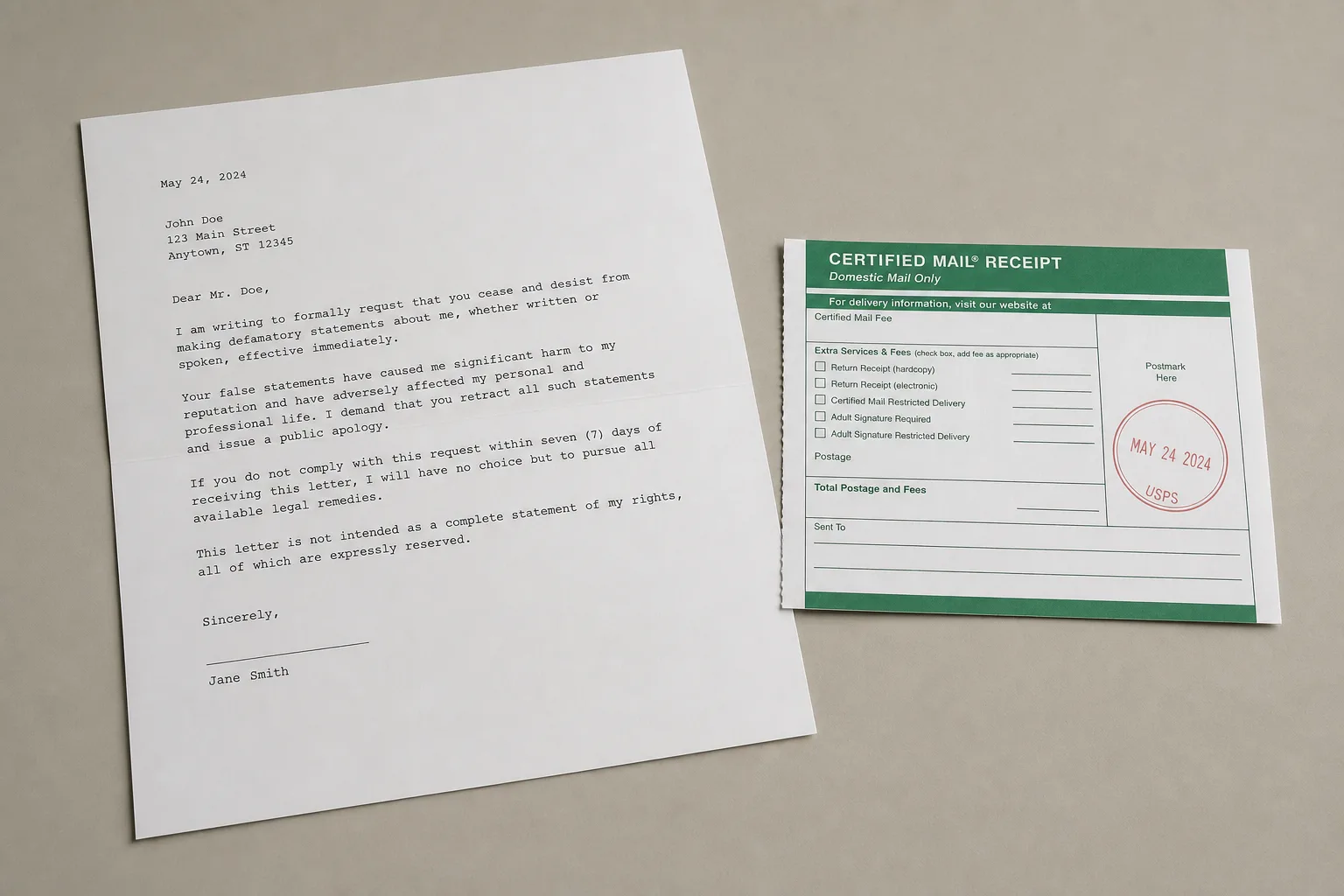
Picture the pile of correspondence in any dispute that has been running a few months: emails that restate grievances, messages sent in frustration at eleven at night, a long account of everything that went wrong. Somewhere in that pile there is usually no demand letter, because the writer has been arguing rather than demanding, and the two are not the same document. A demand letter states what is owed, why it is owed, and what happens if it is not paid by a specific date. It costs a stamp, it resolves a surprising share of disputes without anything further, and it is the step most people skip on the way to something expensive.
The Six Things It Has to Contain
A workable letter is short and contains six elements. The parties, named correctly, which for a business means the legal entity rather than the trading name. The facts in date order, briefly, without adjectives. The basis of the claim, meaning the contract term, the warranty, or the obligation that was not met. The specific amount demanded, broken down so it can be checked. A deadline, expressed as a date rather than a number of days. And a statement of what you will do if the deadline passes, which must be something you are genuinely prepared to do. Six short paragraphs is usually enough, and a letter running to four pages has diluted every one of them.
Tone, Which Decides More Than People Expect
The letters that work read as though they were written by somebody who is not upset, which is difficult when you are, and which is exactly why writing it and sending it the next morning is better practice than sending it that night. Avoid insults, avoid speculation about motive, and avoid threats you cannot carry out, since a threat to ruin somebody's reputation is both unenforceable and a gift to the other side. The impression to create is of somebody organized, unhurried and entirely willing to proceed. That impression is what makes a recipient calculate, and a recipient calculating is a recipient about to settle.
Assume as well that a third party will read the letter later, because one usually does. Judges, insurers, mediators and opposing attorneys all end up looking at these, and a letter that is measured and specific improves your standing with every one of them regardless of what the original recipient does with it. The reverse is equally true and rather more damaging. A letter written in anger is the exhibit the other side attaches first, and it can turn a strong claim into an argument about your conduct rather than theirs.
Sending It So That Delivery Can Be Proved
Send it by a method that produces evidence of delivery, which usually means certified mail with a return receipt, and send a copy by ordinary mail and by email as well, since certified mail is occasionally refused and a refused letter should not become a reason for delay. Keep the receipt with the file copy. Where a contract specifies how formal notice must be given, follow that exactly, because notice given in the wrong manner can be treated as no notice at all. And address it to the right person: a named officer, a registered agent, or the manager who actually has authority, rather than to a general inbox where it will be triaged as a complaint.
What Each Kind of Response Actually Means
Four responses are common and each one tells you something. Payment ends the matter, and a receipt confirming it settles the claim in full is worth requesting. An offer of less than the amount demanded means the recipient believes they owe something, which is a considerable move from where you were, and it converts the dispute into a negotiation about the number. A letter from an attorney is not a bad sign, since attorneys tend to be more realistic about what a matter is worth than the client who was arguing about it last month. Silence is a decision too, and it tells you the recipient believes nothing will follow.
Why the Deadline Is the Whole Instrument
Everything in the letter rests on the last line being true. A deadline that passes without the stated consequence teaches the recipient that the next deadline is also decorative, and that lesson is expensive to unlearn. Which means the consequence should be chosen before the letter is written and chosen to be something you will actually do: filing in small claims, referring the matter to an attorney, lodging a formal complaint with the licensing board or the agency that regulates the business.
Set out that way, the demand letter is less a piece of aggression than a piece of clarity. It replaces months of accumulating frustration with a single page that says what is owed and by when, and it gives the other side an easy way to end the matter before either party spends anything further. Most disputes never need anything more than that, which is why the cheapest formal step is also the one worth writing properly.
About the author
Corinne writes for readers doing some of the work themselves.