Some Problems a Letter Fixes, Some Need Counsel the Same Week. How to Tell Which You Have
A practical test for sorting the disputes you can handle yourself from the ones where waiting a month closes doors, and the rules that decide the difference.
| Author | Corinne Adeyemi |
|---|---|
| Section | Law & Legal |
| Published | |
| Length | 1,133 words · 5 min |
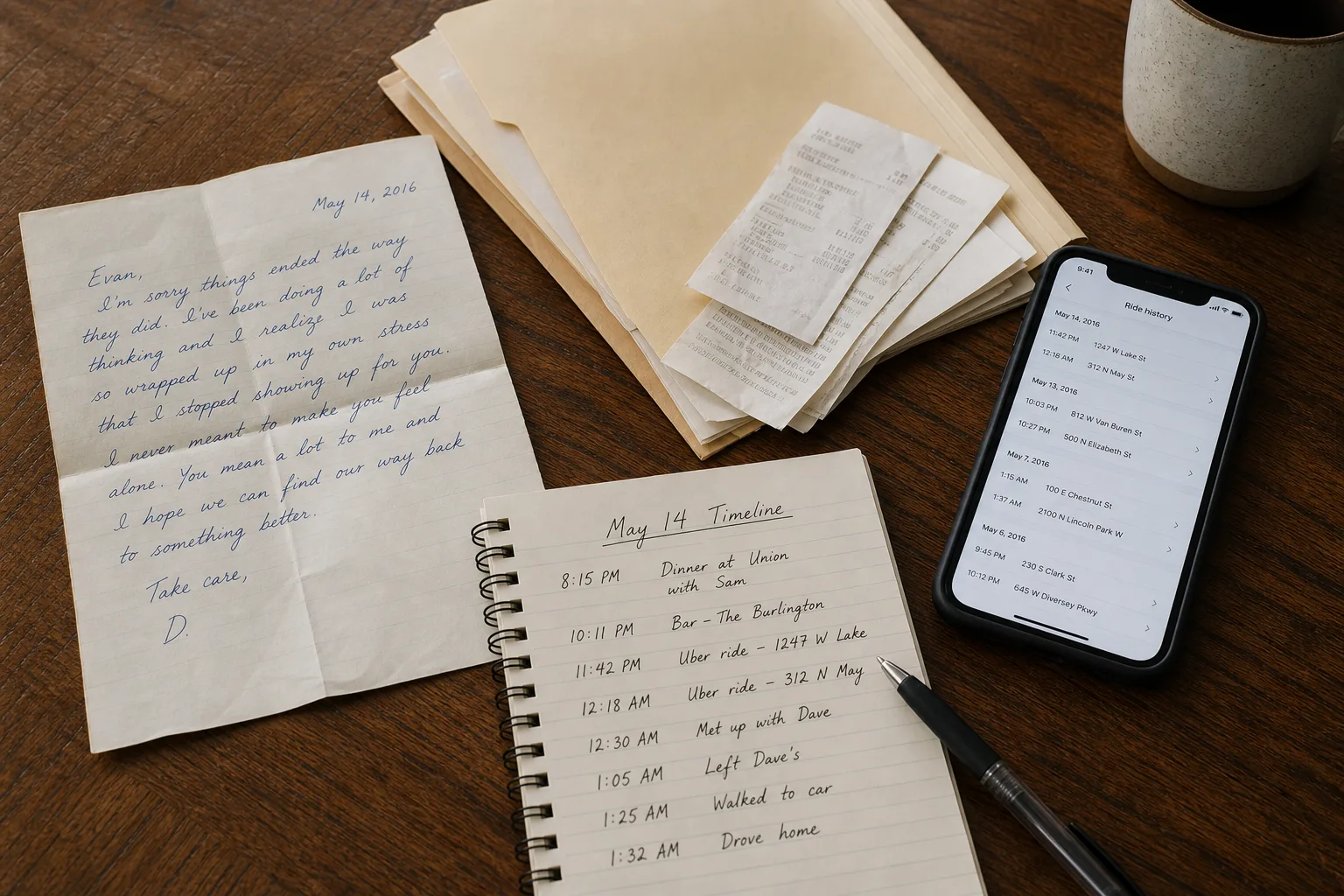
Most people decide whether to call an attorney based on how angry they are. That is the wrong input. The better test has nothing to do with the size of the insult and everything to do with whether the clock, the evidence, or the paperwork will move against you while you think it over. Some problems sit still. A billing dispute with a contractor will look roughly the same in three weeks as it does today, and you can spend those weeks writing a careful letter. Other problems degrade by the day: video is overwritten, witnesses scatter, a filing window closes, a form you sign this afternoon waives a right you did not know you had. The whole skill is telling the two apart in the first week.
Start by asking what is decaying
Take the problem and list what will be different about it in thirty days. If the answer is "nothing except my mood," you are almost certainly fine handling the opening moves yourself. Write the dated letter. Send it in a way that produces a receipt. Keep the invoices and the text messages in one folder, in order. Ask for a specific remedy by a specific date. A large share of consumer, landlord, employment, and small-contract disputes resolve at exactly this stage, because the other side would rather fix a $900 problem than pay someone to argue about it.
Now run the same list for a problem where something is actively perishing. Security footage on a commercial system is often kept for a matter of days or weeks, not months. Phone records and app data live with a company that has no obligation to preserve anything until it is asked to. A medical exam that documents an injury has a window measured in hours. An insurer's recorded statement, once given, becomes the version of events you are stuck with. When any of that is in play, the calculation flips completely. The cost of a consultation is small. The cost of a month's delay can be the case itself.
The categories where you should not do the first step alone
There are recognizable classes of problem where self-help is not a reasonable first move, and it is worth memorizing them so you are not deciding under stress. Anything involving criminal exposure, including a police request to "just come in and talk." Anything where a child's custody or a person's immigration status is at stake. Anything where you have been served with a document that carries a court date or an answer deadline. And any physical or sexual harm caused by another person, particularly where a company sits between you and that person: an employer, a hotel, a property manager, a rideshare platform.
That last group deserves its own note, because it is where the ordinary self-help instinct does the most damage. An assault during a ride booked through an app is not a customer service matter, and it is not resolved by the in-app complaint form, even though that form will be the first thing offered to you. The platform holds the trip record, the driver's identity, the background check file, and the message history, and it holds them under its own retention schedule. This is the situation where people search for an uber sexual assault lawyer rather than trying to work the problem through the app, and the reason is procedural rather than emotional: an attorney can send a preservation demand, request the driver file, and stop the account-closure process from quietly disposing of records. You can report to the police and seek medical care on your own, and you should. The evidence-preservation half is not a do-it-yourself task.
The three rules that decide more cases than the facts do
First, the statute of limitations. Every claim has an outside deadline for filing suit, it varies by state and by claim type, and it is not extended because you were negotiating in good faith with the other side. Assault and abuse claims in particular have seen a lot of legislative change in recent years, including revival windows in some states, which means the answer you found online two years ago may no longer be the answer.
Second, arbitration and class waiver clauses. Nearly every app you tapped "agree" on contains a clause routing disputes to private arbitration and waiving your right to join a group case. These clauses are not uniform, they have carve-outs, and federal law now treats sexual assault and harassment claims differently from ordinary consumer disputes. The Federal Trade Commission is the agency responsible for unfair and deceptive practices in consumer contracts, and the enforceability of any specific clause is a question of law rather than a question of what the terms page appears to say. Do not conclude you have no options because a paragraph told you so.
Third, the release. Insurers and platforms settle by asking you to sign something. Whatever number is attached, the operative language is the part saying you give up all present and future claims arising from the incident. That signature is the point of no return, and having a lawyer read it costs a fraction of what signing it too early costs.
What the first week actually looks like
The week-to-week reality is less dramatic than people expect. On a perishable matter, day one is care and reporting: a medical visit if there is any injury, a police report with a report number written down, and a written record of what happened while you still remember details like the plate, the route, and the time. Day one or two is also a consultation. Personal injury and assault matters are usually taken on contingency, meaning no hourly bill and a percentage of any recovery, so the initial call generally costs nothing but the hour. Ask directly what percentage, who advances costs, and what happens if the case does not resolve.
On a stable matter, the week looks entirely different and mostly involves you. Draft the letter, name the remedy, set a date, send it with tracking. Give it the time you said you would. If the deadline passes with no answer, that letter becomes the first exhibit in whatever comes next, and a single paid hour with an attorney at that point is often enough to tell you whether small claims court, a state licensing complaint, or a demand letter on letterhead is the efficient next step.
Sorting problems this way turns a vague dread into two short lists: things you can competently start today, and things where the correct action is a phone call before the end of the week. Most of what lands on a household lands on the first list. Knowing which items belong on the second is what keeps your options open long enough to use them.
About the author
Corinne writes for readers doing some of the work themselves.