What Does Eighteen Months of a Fence Argument Cost Two Neighbors With No Survey?
Two neighbors spent a year and a half and several thousand dollars on a disagreement a single licensed survey would have settled in the first fortnight.
| Author | Junko Halloran |
|---|---|
| Section | Law & Legal |
| Published | |
| Length | 1,180 words · 5 min |
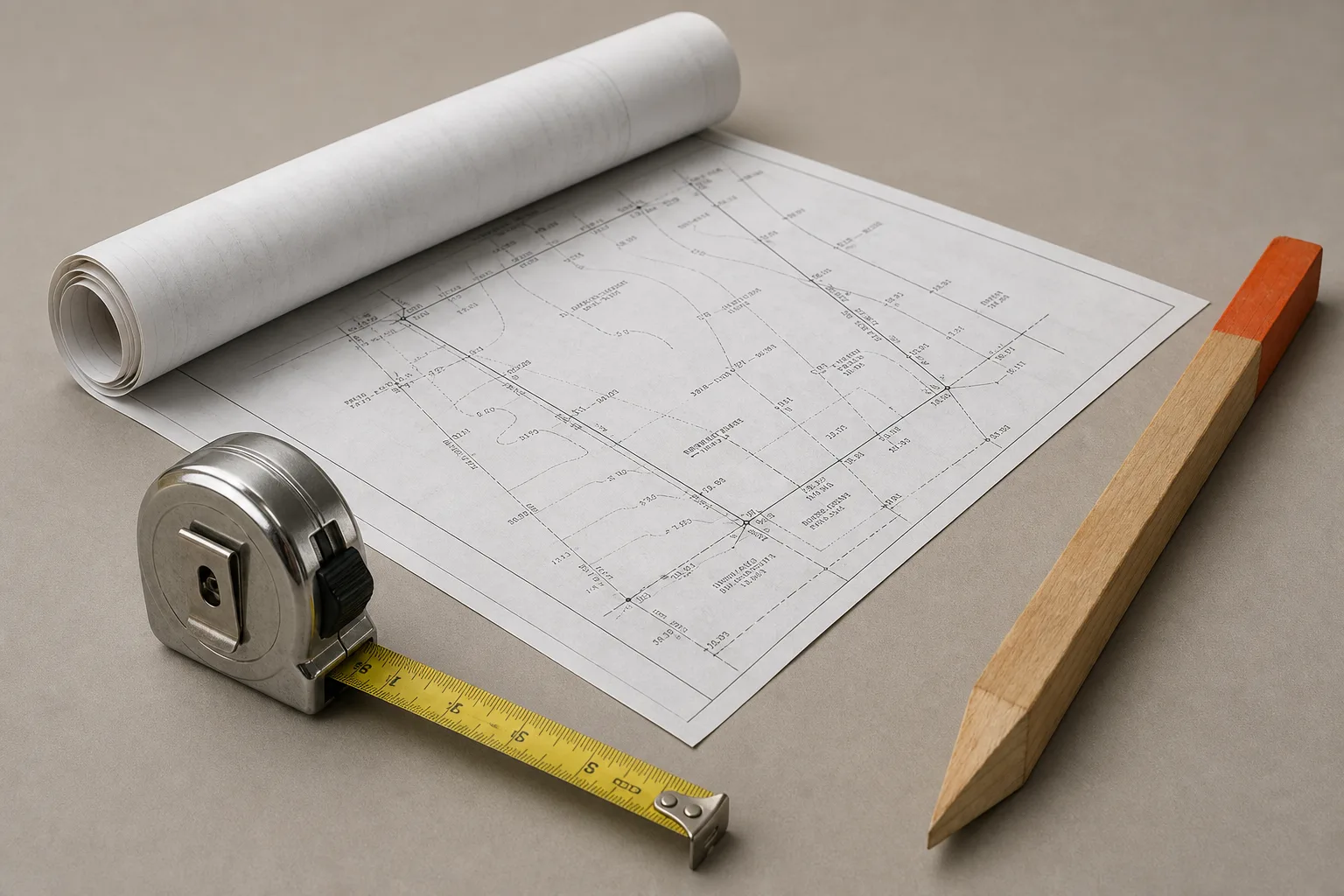
Two houses on a suburban street, both built in the same subdivision in the late 1970s, both owned by people who had been there more than a decade and had never exchanged a cross word. In April one of them replaced a failing wooden fence along the side property line, moving it a few inches in the process to clear a tree root. In May the other noticed. What followed took eighteen months, cost both households several thousand dollars, ended in a settlement neither of them liked, and would have been resolved for a fraction of that in the first fortnight by a step neither of them took.
How It Started, Which Is Almost Always the Same Way
The fence had been in roughly that position since the houses were built, and neither owner knew where the legal line actually ran. That is the ordinary situation rather than an unusual one, because an old fence is a habit rather than a boundary, and habits drift when posts rot and get replaced by whoever notices first. The neighbor who saw the new fence measured from her own driveway, decided it was six inches onto her property, and left a note. The neighbor who built it measured from his and concluded the opposite. Both measurements were taken from features that are not the property line, and both men and women were entirely sincere.
The first exchange was polite and the second was not, which is the ordinary arc of these things once each side has said something out loud that they would now have to retract. By the end of June the two households had stopped speaking altogether, and that mattered more than either of them understood at the time, because a neighborly conversation is the only mechanism capable of settling a boundary question cheaply. Everything after that point had to travel through third parties who charge for their time, and the cost of the dispute began compounding the week the conversations stopped rather than the week the fence moved.
The First Six Months, and What They Produced
Between June and December each side did the things that feel like progress and are not. Both pulled their deeds and read the legal descriptions, which are written in the language of surveys and were interpreted by each of them to support their own position. Both looked at the plat filed with the county and reached opposite conclusions about what it showed. One wrote to a homeowners association that had no jurisdiction over property lines. The other consulted an attorney by telephone, received sensible advice to obtain a survey, and did not act on it because a survey cost money and the fence was clearly wrong.
By December each side held a thick file of correspondence, a considerable stock of ill feeling, and not one piece of evidence about where the boundary actually ran. Everything spent to that point had gone on positions rather than on facts, which is the defining feature of a dispute that has not yet reached the question it is about. Both households would have described themselves at that stage as being careful and thorough. Both were spending money to become more certain of something neither of them had any way to know.
Where the Money Actually Went
The largest single line on both sides was attorney time, and most of it went on correspondence: letters written, letters read, letters answered, each one billed in increments and none of them advancing the question by an inch. Then came the second fence, torn out and rebuilt once during the dispute at the builder's expense as a gesture that satisfied nobody. Then a title company search, ordered by one side, that established ownership without establishing location, which was the wrong question expensively answered. And underneath all of it, eighteen months of two households living beside somebody they were fighting with, which does not appear on any invoice and was, by both accounts afterward, the worst part.
The Survey, Finally, and What It Showed
In the following autumn one attorney insisted, and a licensed land surveyor was engaged jointly at a cost the two households split. The surveyor worked from the recorded plat and from monuments set at the time of the subdivision, found two of the original pins, and set the line. The fence was over by rather less than the six inches claimed, and it was over onto the neighbor's land, so the complaining party had been broadly right about direction and wrong about magnitude. The whole exercise took two site visits and produced a signed drawing that neither side could argue with, which is precisely why nobody had wanted to order it.
That is the uncomfortable center of most boundary disputes and the reason the obvious step gets deferred for so long. A survey does not take a side and cannot be negotiated with. It simply answers the question, and by the time anybody orders one each party has spent months constructing an account in which they are entirely right, so both of them now have something to lose by finding out. Ordering it in the first fortnight, before either side has invested anything in a position, costs the same money and asks far less of everybody's pride.
Settling, and the Arithmetic That Made It Obvious
With a drawing in hand the remaining choices were narrow. Move the fence a few inches, an afternoon of work and a modest bill. Buy the strip, which requires a lot line adjustment, a survey already in hand, and county approval. Or grant a written easement letting the fence stay where it is while preserving ownership. They chose the third, recorded it, and split the surveyor's fee. The document that settled it cost a small fraction of what had already been spent arguing about it, and it could have been drafted in the first month on exactly the same terms.
When One of These Genuinely Needs an Attorney, and What Would Have Made It Cheap
Some boundary questions do need counsel, and they are recognizable. A claim of adverse possession, where somebody asserts a right through long use rather than through the deed, involves statutory periods and elements that are not intuitive. A structure that is substantially over the line, a driveway or part of a building, is a different problem from a fence. A dispute affecting a pending sale runs on a closing date. And any disagreement where a recorded easement is being asserted or denied deserves somebody who reads those for a living.
Everything else follows one rule, and both households would now state it the same way. Establish the fact before taking the position. A licensed survey is the only document that answers where the line is, it costs less than two letters between attorneys, and it can be commissioned jointly by neighbors who are still speaking, which is the cheapest moment it will ever be available. The fence in this story eventually stayed exactly where it was built. What eighteen months bought was the knowledge that it was allowed to.
About the author
Junko covers what work costs and why two quotes for the same job differ.