Fall Leases Bring Disputes That a Letter Settles and a Few That Genuinely Need Counsel
Most landlord and tenant arguments are settled by a well written letter and a copy of the lease. A few are not, and the difference is usually visible early.
| Author | Junko Halloran |
|---|---|
| Section | Law & Legal |
| Published | |
| Length | 843 words · 4 min |
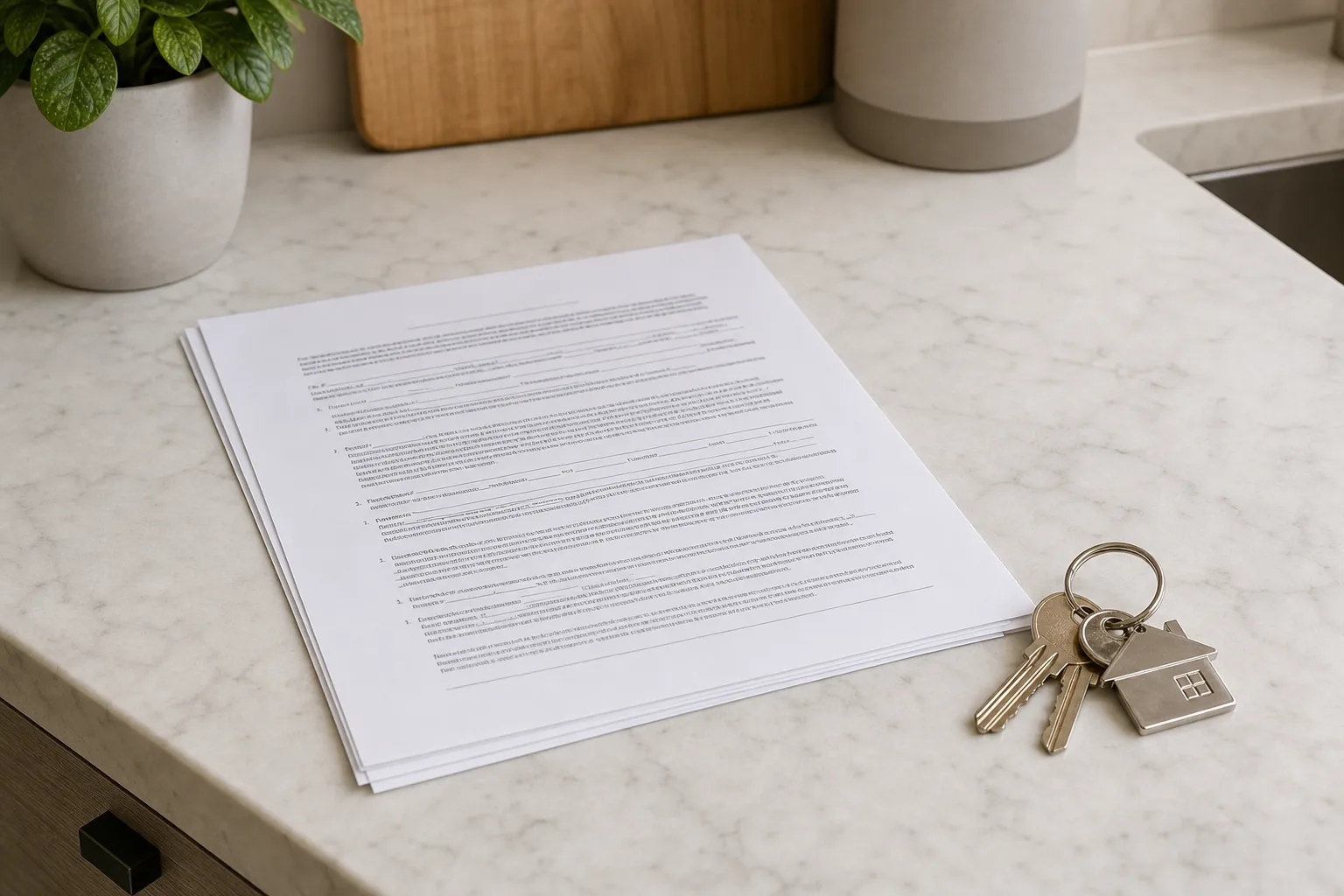
The common assumption about a rental disagreement is that it becomes a legal matter the moment it becomes unpleasant, and that assumption costs tenants and small landlords real money every fall when leases turn over in volume. Most disputes that feel serious are ordinary breaches of a written agreement, and they resolve when one side sets out in writing what the lease says, what happened, and what they want done by a stated date. A small number are genuinely different, and what marks them out is visible early to anyone who knows what to look at. Learning to sort one pile from the other before spending anything is the whole skill.
Find Out What the Fee Would Be Before You Decide Anything
People avoid calling an attorney because they picture an open-ended bill, and they picture it because nobody told them how these matters are usually priced. A great many housing questions are answered in a single paid consultation billed at a flat rate, and plenty of attorneys will quote a fixed fee for one specific deliverable, a demand letter or a lease review, without any expectation of continuing. Ask for the number on the phone before booking, ask what it covers, and ask what the next step would cost if you took it. Ten minutes spent on that turns an unknown into a line item you can weigh against the amount actually in dispute.
The Problems a Careful Letter Usually Settles
A security deposit withheld past the statutory deadline, a repair that has been promised three times and not made, a late fee charged at a rate the lease does not support, a rent increase delivered without the notice period the agreement requires: these are all disagreements about a document both sides signed. They resolve at a rate that surprises people, because the letter changes the other side's calculation rather than their opinion. Quote the clause, attach the dates, state the remedy, and give a deadline that is short but not theatrical. Most landlords and most tenants would rather fix a documented problem than explain it later to somebody with authority.
The Problems That Genuinely Need Counsel
Four categories change the answer. Anything involving an eviction filing, on either side, runs on court deadlines that are short and unforgiving, and missing one can decide the outcome regardless of the merits. Anything touching habitability, meaning heat, water, sewage, or a structural condition that makes a unit unsafe, carries remedies and procedures that vary sharply by state and are easy to forfeit by handling them informally. Anything that looks like discrimination or retaliation belongs with somebody who does this work regularly. And anything where the money at stake runs past what you could comfortably absorb deserves an hour of advice before you commit to a position.
Federal fair housing rules are administered by the Department of Housing and Urban Development, and one practical consequence of that is worth knowing before you decide how to proceed: an administrative complaint runs on its own deadline, separate from any lawsuit, and choosing one route does not automatically preserve the other. That is the kind of fork where a single consultation earns its fee several times over, because the cost of picking wrong is not the fee, it is the claim.
What to Have Ready If You Do Make the Call
Arrive with the lease itself, including every addendum and anything initialed separately, since the clause that decides the question is often in the part nobody reads. Bring a one-page timeline with dates rather than a narrative, a set of photographs with their original dates intact, proof of what was paid and when, and every message either side sent about the problem in the order it was sent. An attorney charging by the hour is being paid to think, and handing over an organized file rather than a shoebox is the difference between paying for judgment and paying for sorting.
Why the Sorting Is Worth Doing Before the Season Starts
Fall is when this matters most, because leases cluster around the start of the school year and the same disputes arrive in the same weeks every time. A landlord with four units and a tenant moving out on the first of the month are both working against a calendar, and the deposit accounting deadline in most states starts running from the day possession ends whether anybody is paying attention or not. Knowing in September which pile a problem falls into means the letter goes out in time to work and the phone call happens before a deadline has already passed.
The reassuring part is how lopsided the sorting turns out to be. The great majority of rental disagreements are documentary, they respond to a clear letter written by somebody who read the lease first, and they never involve a courtroom or a retainer. Reserving the expensive route for the four situations that actually require it is not a way of avoiding legal help. It is what makes the help affordable on the day it is genuinely needed.
About the author
Junko covers what work costs and why two quotes for the same job differ.